

Most Common Auto Repair Issues for High-Mileage Vehicles in Bowling Green, KY
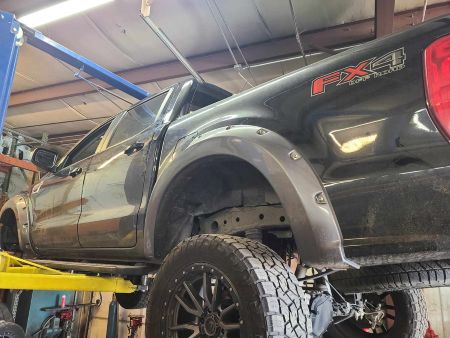
If your odometer is creeping past 100,000 miles, you are not alone in Bowling Green, KY. Our hot summers, damp winters, and stop‑and‑go traffic around WKU and Scottsville Road all add up to extra wear. That is why keeping up with smart, scheduled auto repair and maintenance is the easiest way to keep your daily driver dependable.
This guide breaks down the most common problems we see on aging vehicles, the early warning signs, and how a local pro can help you avoid bigger headaches. Whether you commute on I‑65, navigate downtown, or haul gear to Barren River Lake, the right plan for auto repair in Bowling Green, KY keeps your car ready for real life.
Auto Repair in Bowling Green, KY: What High Mileage Really Means
“High mileage” is less about the number and more about how those miles happened. Lots of short, cold starts around town are harder on a car than steady highway miles. In Warren County, frequent temperature swings and spring rains speed up corrosion and rubber wear.
Past 100,000 miles, expect more attention to fluids, belts, cooling, charging, and suspension. After 150,000 miles, components designed to last the life of the vehicle may start showing their age. Keeping records helps your technician spot patterns before they become problems.
Early Warning Signs You Should Never Ignore
High‑mileage vehicles usually whisper before they shout. Listen for these clues on your next drive down Russellville Road or Nashville Road:
- Vibrations at highway speed, especially through the steering wheel or seat
- New noises when turning, braking, or shifting
- Delayed engagement when shifting from Park to Drive
- Warning lights that flicker on hills or during rain
- Sweet, burnt, or fuel smells after parking
- Temperature gauge creeping higher on long grades
Do not ignore a flashing check engine light. It often signals a misfire that can damage the catalytic converter. If you smell burnt fluid, park the car and call a pro. Catching these issues early usually saves time and stress.
Common Auto Repair Issues After 100,000 Miles
Most cars can run well past the 200,000‑mile mark with the right care. These are the problems we see most often as vehicles age in Bowling Green:
- Charging system wear: weak batteries, aging alternators, and corroded cables
- Cooling system leaks: radiators, water pumps, hoses, and plastic fittings
- Oil seepage: valve cover gaskets and oil pan gaskets starting to weep
- Suspension fatigue: struts, shocks, control arm bushings, and sway bar links
- Steering play: inner and outer tie‑rods, racks with slow leaks
- Brake system: thinning pads, warped rotors from heat, and sticking calipers
- Exhaust and emissions: oxygen sensors, catalytic converters, and rusty hangers
- Transmission aging: delayed shifts, harsh engagement, or fluid seepage
- Wheel bearings and axles: humming or clicking on turns
Salt treatments on winter roads and quick temperature swings can accelerate metal corrosion and gasket shrinkage. That is why a car that felt fine in October can show leaks by February. A seasonal check before long spring or holiday drives helps prevent road‑side surprises.
Why Bowling Green Driving Conditions Speed Up Wear
Local roads tell the story. Potholes after freeze‑thaw cycles stress suspension. Steep neighborhood drives around the WKU hill heat up brakes. Stoplights on Scottsville Road and heavy summer traffic push cooling fans and alternators to work harder than usual.
Moisture from Ohio Valley air also creeps into connectors and bearings. Over time, that mix leads to electrical gremlins and noisy components. Addressing small noises, leaks, or smells early keeps a minor fix from turning into a major overhaul.
How Pros Find Issues Fast With Modern Diagnostics
Today’s vehicles store a trail of clues. A technician starts with a road test, a visual inspection, and a scan for stored codes. Modern car diagnostics help pinpoint misfires, sensor drift, and intermittent electrical faults that do not always trip a warning light.
This combination of data and experience matters most on older cars. A squeak, a smell, and a pattern of codes together can tell a clear story. The result is a targeted repair plan that fixes the cause, not just the symptom.
Transmission Trouble That Shows Up First
Transmissions often reveal age before the engine does. You might notice a delay going into gear on cold mornings, a flare in RPM on a hill, or a faint shudder during light acceleration on KY‑234. These hints point to fluid breakdown, valve body wear, or failing mounts.
Grinding or thumping from the transmission is a red flag. Addressing it early can protect clutches and gears. If you feel a new shudder or slipping, ask about a test drive and inspection focused on transmission repairs so a pro can confirm the root cause.
Cooling System: Heat Is the Hidden Enemy
Engines love steady temperatures. In summer, long lights on Scottsville Road and uphill pulls toward the bypass can spike the heat load. Weak caps, old coolant, or a crusty radiator reduce the safety margin.
Watch for dried coolant trails, sweet smells, or a temp gauge that no longer sits steady. If your heat fades at idle but returns while driving, that can be a sign the system needs attention. Fixing small leaks and restoring pressure keeps temps under control and protects gaskets and sensors.
Steering, Suspension, and Brakes on Local Roads
Older struts and shocks cannot keep tires planted over rough spots. The result is extra stopping distance and uneven tire wear. Worn control arm bushings also add play you can feel over the railroad tracks near downtown.
Listen for clunks on sharp turns into parking lots and feel for a pull under braking. If your wheel shakes at 50–60 mph, that could be a tire or a worn suspension part allowing vibration. A thorough inspection makes sure you replace the right piece the first time.
Emissions and Fuel System on Aging Vehicles
The longer we drive, the more sensors drift and carbon builds. Oxygen sensors grow lazy, fuel trims chase the target, and the catalytic converter works overtime. A slightly rich or lean mix can be enough to trigger a light and drop fuel economy around town.
Because issues can overlap, accurate testing is key. A smoke test for tiny vacuum leaks or a precise sensor performance check will save guesswork. That is how you avoid replacing parts that are not broken.
Simple Habits That Help High‑Mileage Cars Last
You do not need to be a gearhead to help your vehicle age well. What matters is consistency and paying attention to changes. Small routines reduce stress on the parts that cost the most if they fail.
Keep fluid health front and center. Ask your technician to check the condition, not just the level. Clean, correct‑spec fluids help transmissions shift smoothly, cool engines efficiently, and protect power steering and brake systems from wear.
Make a Plan With a Pro You Trust
A planned schedule spreads out maintenance and catches concerns early. Many drivers pair oil services with a multi‑point inspection and rotate through the systems over the year. Building a relationship with one shop means your vehicle’s history guides smarter choices.
If you are ready to map out the next 12 months, start with a baseline inspection and service. It is a practical way to learn exactly what your car needs now versus what can wait. You can book that visit the same day you line up routine auto repair and maintenance so everything stays on track.
Your Next Step: Local Auto Repair You Can Count On
Whether you live near Greenwood, the WKU campus, or just off Lovers Lane, Wholesale Transmission Center is here to help your car go the distance. Call us at 270-842-9052 to schedule a visit, or stop by to talk through your concerns. When you want a team that treats your time and budget with respect, choose local experience backed by clear communication.
From careful inspections to accurate testing and clear repair plans, we make high‑mileage ownership feel simple. Start with trusted local auto repair and keep your vehicle ready for every mile ahead in Bowling Green.
Transmission Troubles? Contact Our Auto Shop In Bowling Green Today!